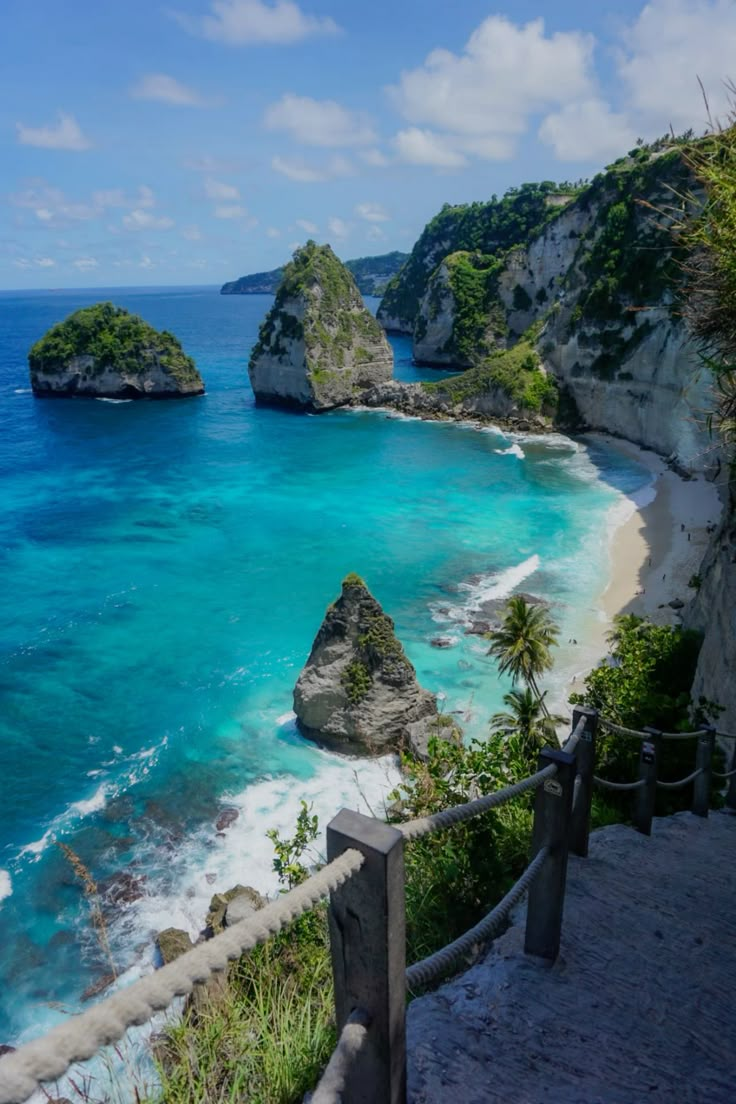
Let's be completely honest: stepping off the plane at Ngurah Rai International Airport is an exhilarating experience, but transitioning from a starry-eyed vacationer to someone who actually lives and breathes the island rhythm is a completely different journey. If you are planning on staying for several weeks-or even several months-you don't just want to skim the surface of Bali. You want to weave yourself into the fabric of daily life. You want to figure out where to buy your groceries without getting "tourist tax" added to your bill, how to navigate the famous intersection traffic, and most importantly, how to feel completely at home.
The reality of living in Bali as a digital nomad or a long-stay visitor is that the island is beautifully chaotic. It is a place of deep spiritual tranquility that sits right alongside bustling, modern development. While many people arrive expecting an uninterrupted eat-pray-love montage, the truth is that thriving here requires a little bit of insider knowledge. It’s the small, often overlooked details-like knowing exactly how to greet the local shop owner or understanding the unwritten rules of scooter traffic-that make the difference between an exhausting trip and an effortless, magical experience.
Grab a cup of local Bali coffee and get comfortable. As someone who has navigated the winding roads, hidden cafes, and cultural nuances of this island for years, I'm here to give you the honest, unfiltered advice you need. This guide is designed to strip away the glossy Instagram filters and provide you with actionable, real-world advice to make your extended stay in Bali as smooth and rewarding as possible.
Getting Around - Why Renting a Scooter or Private Car Changes Everything
One of the first things you will realize about Bali is that public transportation as you might know it in Europe, North America, or parts of Asia is practically non-existent. The island is sprawling, and while ride-hailing apps like Gojek and Grab are incredibly useful, relying on them for every single errand will quickly drain your budget and your patience. To truly unlock the island, you need your own wheels. How you choose those wheels, however, will define your daily experience.
For many, renting a scooter is the ultimate symbol of island freedom. It allows you to slip past the notoriously long lines of traffic waiting at intersections in places like Canggu or Seminyak. There is a undeniable thrill in riding through a quiet village road with the warm tropical breeze against your skin, flanked by emerald-green rice paddies. However, driving a scooter in Bali is not for the faint of heart or the inexperienced. The traffic flows organically like a school of fish rather than strictly adhering to traffic lights and painted lanes. If you are not an experienced rider, the chaotic symphony of honking horns and sudden turns can be overwhelming and dangerous.
Alternatively, if you are traveling with family, carrying lots of digital nomad gear, or simply value air conditioning and safety, renting a private car (with or without a driver) is an absolute game-changer. Having a local driver who knows the intricate shortcuts, known as 'jalur tikus' (mouse paths), can save you hours of frustration. It provides a sanctuary from the midday heat and the unpredictable tropical downpours.
Practical Tips for Bali Transportation:
- Always wear a helmet: Not just for safety, but police routinely pull over tourists without them. Ensure it clicks and fits securely.
- Get an International Driving Permit (IDP): Ensure it covers motorcycles if you plan to rent a scooter. Your travel insurance will likely be void without it.
- Honking is communication, not aggression: A short 'beep' is a polite way of saying "I'm passing you" or "I'm in your blind spot."
- Record a walk-around video: Before driving away with your rental, take a video showing all existing scratches to avoid unfair charges later.
Choosing Your Base - Honest Canggu vs. Sanur Comparison by Traveler Personality Type
Deciding where to unpack your bags is the most crucial decision you will make. When researching the best areas to stay in Bali, you will inevitably encounter the great debate: Canggu vs Sanur. Both areas offer fantastic amenities for long-term stays, but they cater to completely different lifestyles. Choosing the wrong base can leave you feeling either overwhelmed by the party scene or underwhelmed by the lack of nightlife.
Let's start with Canggu. Once a sleepy surfer village, it has transformed into the epicenter of digital nomad culture. It is fast-paced, fiercely trendy, and unapologetically vibrant. If your ideal day involves waking up for a sunrise surf, working from a beautifully designed co-working space with high-speed internet, networking with other entrepreneurs over avocado toast, and finishing the night at a bustling beach club, Canggu is your sanctuary. However, this popularity comes with a cost. The traffic in Canggu, especially around the infamous "shortcut," can be grueling. The pace of life here is fast, and the continuous construction means it can be noisy.
Sanur, on the east coast, offers a stark contrast. It is often affectionately referred to as "Snore" by the younger party crowds, but for those seeking tranquility, it is absolute paradise. Sanur is characterized by its calm, swimmable waters protected by a reef, a beautiful five-kilometer paved beachfront path perfect for morning runs or cycling, and a well-established, older expatriate community. If your priority is peace, quiet, consistent routines, easy access to fast boats heading to the Nusa Islands, and a truly relaxing atmosphere where you can focus on deep work or quality time with your partner, Sanur wins hands down.
Need Help Settling In?
Whether you need help deciding on the perfect neighborhood, arranging reliable long-term transportation, or just want a trusted local contact on speed dial, our team at Fun Bali Tour is here to make your transition seamless. Reach out and let us help you build your perfect Bali life.
Connecting with Locals - Cultural Etiquette That Earns Real Respect
One of the most profound joys of staying in Bali long-term is the opportunity to forge genuine connections with the Balinese people. They are famously warm, welcoming, and hospitable, but their culture is also deeply complex and rooted in a unique form of Hinduism. Taking the time to understand and respect their customs will transform your experience from a transactional tourist visit to a meaningful cultural exchange.
The concept of "Tri Hita Karana"-harmony between humans, nature, and the divine-dictates daily life here. You will see this everywhere, from the daily 'canang sari' (woven palm leaf offerings) placed on the sidewalks to the elaborate ceremonies that frequently close down entire streets. It is crucial to walk around, not step on, these offerings, as they are sacred. When interacting with locals, simple gestures go a remarkably long way. A warm smile is the universal currency of Bali, but combining it with a few words of the local language will instantly earn you immense respect.
It's also important to be mindful of how you dress when you step off the beach. While bikinis and boardshorts are perfectly fine by the ocean or at a beach club, wearing them down the street or into local shops is considered highly disrespectful. Always cover your shoulders and knees when entering a temple, and remember that the head is considered the most sacred part of the body, while the feet are the lowest-so avoid pointing the soles of your feet at people or sacred objects.
Practical Tips for Cultural Etiquette:
- Use your right hand: The left hand is traditionally considered unclean. Always use your right hand to give or receive money, items, or to point.
- Learn basic phrases: "Terima kasih" (Thank you), "Sama-sama" (You're welcome), and "Selamat Pagi" (Good morning) will open many doors.
- Temple attire: Always wear a sarong and a sash around your waist when entering a temple. Women menstruating are traditionally asked not to enter.
- Stay calm: Public displays of anger or shouting cause people to "lose face" and will get you nowhere. A calm, smiling approach solves problems much faster.
Managing Your Budget - Realistic Daily Cost Expectations and Where Tourists Overpay
One of the most common pieces of Bali long-term travel tips you will hear is that Bali is incredibly cheap. While it is certainly possible to live on a tight budget, the reality of the modern digital nomad lifestyle often paints a different picture. It is very easy to spend just as much in Bali as you would in a Western city if you are not paying attention to where your money is going.
If you choose to eat every meal at aesthetic cafes, drink imported alcohol, and work from premium co-working spaces, your expenses will skyrocket. A single avocado toast and a flat white at a trendy Canggu cafe can cost the equivalent of $10 to $15 USD. Conversely, if you embrace the local way of living, your budget will stretch remarkably far. Eating at a local 'warung' a traditional Indonesian eatery-can provide a delicious, filling meal of Nasi Campur (mixed rice with various meats and vegetables) for as little as $2 to $3 USD.
Another area where long-stay tourists bleed money is through ATM fees and poor exchange rates. Many ATMs charge high withdrawal fees, and some currency exchange booths (especially the ones tucked down alleyways offering suspiciously good rates) are notorious for sleight-of-hand scams where notes disappear before your eyes. By setting up the right financial infrastructure before you arrive, you can save hundreds of dollars over the course of a month.
Practical Tips for Managing Your Budget:
- Use a multi-currency card: Cards like Wise or Revolut offer excellent exchange rates and lower fees compared to traditional banks.
- Shop at local markets: For fresh fruit and vegetables, skip the western supermarkets (like Pepito) and head to the local morning markets-just be prepared to bargain politely.
- Use reputable money changers: Only use authorized money changers like BMC (Bali Maspintjinra) or Central Kuta. Count your money before leaving the counter.
- Check the Gojek/Grab app for prices: If you're unsure what a fair price is for a short trip or a specific meal, check the local apps to establish a baseline.
Choosing Reliable Travel Services - How to Avoid Stress and Scams
Finally, as a long-stay visitor, you will inevitably need to rely on various services-from visa extension agents and fast boat operators to private drivers for weekend getaways. The Bali expat Facebook groups are filled with cautionary tales of tourists who wired money to an unverified agent only to never hear from them again, or who booked a "luxury" boat transfer that turned out to be a cramped, unsafe vessel.
When you are staying for a month or more, the convenience of having a trusted local partner cannot be overstated. You want to focus your energy on your work, your surfing, or your relaxation, not on chasing down unresponsive agents or worrying about whether your driver will actually show up for your 4:00 AM volcano trek.
Building a relationship with a reputable, established local agency provides incredible peace of mind. They have the local connections to smooth over bureaucratic hurdles, ensure you are getting fair prices, and provide a safety net when things don't go according to plan. In a place where "island time" is a very real phenomenon, having a professional team on your side is the ultimate luxury.
Settle in with Confidence
Living in Bali is a transformative experience. By taking the time to understand the nuances of transportation, choosing the right neighborhood, respecting local etiquette, managing your budget smartly, and relying on trusted professionals, you elevate your stay from a simple vacation to a deeply enriching chapter of your life. The island has a way of embracing those who embrace it back with an open mind and a respectful heart.
Make Bali Feel Like Home
Don't navigate the complexities of island life alone. Whether you need reliable private transport, curated weekend excursions, or trusted local advice, we've got you covered.
Discover Our Services at FunBaliTravels.com