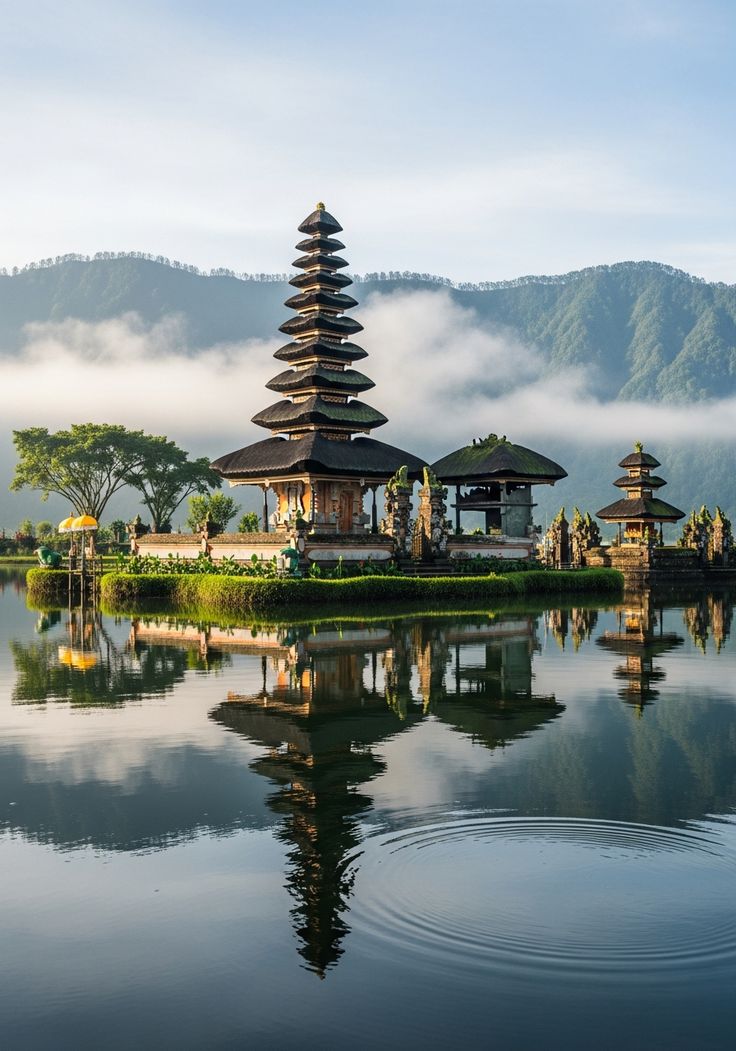
Description
Nyepi, also known as the Day of Silence, is a sacred celebration marking the Balinese New Year based on the Saka calendar. Unlike typical New Year celebrations around the world that are filled with fireworks and festivities, Nyepi is observed through silence, meditation, and self-reflection. For 24 hours, the entire island of Bali slows down as people stay indoors, avoid entertainment, and focus on spiritual balance. The peaceful atmosphere created during Nyepi allows both locals and visitors to experience a rare moment of calmness and reflection while respecting one of Bali’s most meaningful cultural traditions.
Background of Nyepi
Nyepi originates from the Saka calendar, which has been used by Balinese Hindus for centuries to determine religious ceremonies and important cultural events. The day marks the beginning of a new year and symbolizes purification, renewal, and harmony between humans, nature, and the spiritual world. Through silence and minimal activity, Balinese people believe that negative energies can be cleansed and the new year can begin with peace, balance, and spiritual clarity.
Ceremonies and Rituals Before Nyepi
Before the Day of Silence begins, several traditional ceremonies are held throughout Bali to spiritually cleanse the island and prepare for the sacred day.
1. Melasti Ceremony
The Melasti ceremony usually takes place several days before Nyepi. During this ritual, sacred temple objects are carried in a procession to the sea or other water sources to be purified.
Activities during Melasti include:
- Carrying sacred temple objects to the beach or sea
- Performing prayers and purification rituals
- Wearing traditional Balinese attire during the procession
- Offering ceremonial offerings to the sea
2. Tawur Kesanga Ritual
The Tawur Kesanga ceremony is held one day before Nyepi and serves as a ritual to restore balance between humans and nature.
Activities during Tawur Kesanga include:
- Preparing traditional offerings and ceremonial sacrifices
- Community prayers led by Balinese priests
- Rituals performed in villages and temples
- Symbolic cleansing of negative energies
3. Pengerupukan and Ogoh-Ogoh Parade
On the night before Nyepi, Balinese communities celebrate Pengerupukan, which is famous for the Ogoh-Ogoh parade.
Common activities during this event include:
- Parading large Ogoh-Ogoh statues around the village
- Playing traditional Balinese music such as gamelan
- Community celebrations and performances
- Burning the Ogoh-Ogoh as a symbol of removing evil spirits
Activities and Rules During Nyepi
On Nyepi Day, Balinese Hindus observe four main restrictions known as Catur Brata Penyepian, which are meant to create an atmosphere of silence and reflection.
The four main rules include:
- Amati Geni – No fire or excessive light
- Amati Karya – No working or physical activities
- Amati Lelungan – No traveling outside the home
- Amati Lelanguan – No entertainment or pleasure
During these 24 hours:
- Roads across Bali become completely quiet
- The international airport temporarily closes
- Shops, restaurants, and tourist attractions do not operate
- Traditional security officers called Pecalang monitor the area to ensure the rules are respected
What Tourists Experience During Nyepi
Visitors who are staying in Bali during Nyepi are also expected to respect the tradition by remaining inside their hotels or accommodations.
Tourists can still enjoy unique experiences such as:
- Experiencing the rare silence across the island
- Relaxing and spending quiet time at their accommodation
- Observing the beautiful starry sky at night due to minimal light pollution
- Learning about one of Bali’s most unique cultural traditions
Conclusion
Nyepi is more than just a celebration of the Balinese New Year; it is a meaningful spiritual tradition that emphasizes reflection, balance, and harmony. Through a series of ceremonies leading up to the Day of Silence, the Balinese people prepare themselves spiritually and culturally for a fresh start in the new year. For visitors, experiencing Nyepi offers a rare opportunity to witness the deep cultural values of Bali and appreciate the beauty of a peaceful, silent island.